
Backend Development: The Powerhouse Behind Your Digital Experience
In today’s digital world, the success of any web or mobile application hinges on a robust and efficient backend. While users interact with the visually appealing frontend, the backend is the unsung hero, managing data, processing requests, and ensuring seamless functionality. Understanding backend development is crucial for anyone involved in creating digital products. This comprehensive guide will delve into the intricacies of backend development, exploring its key components, technologies, and the importance of choosing the right approach for your project.
Understanding Backend Development
Backend development encompasses all the server-side logic that powers a web or mobile application. It’s the invisible engine that drives the user experience. Key responsibilities include:
- Data Management: Storing, retrieving, and managing application data using databases.
- Server-Side Logic: Implementing business rules, algorithms, and calculations.
- API Development: Creating Application Programming Interfaces (APIs) to facilitate communication between the backend and frontend.
- Security: Protecting data and systems from unauthorized access and cyber threats.
- Scalability: Ensuring the application can handle increasing user traffic and data volumes.
Key Technologies in Backend Development
The backend development landscape is diverse, with various programming languages, frameworks, and databases available. Popular choices include:
- Programming Languages: Java, Python, Node.js, PHP, Ruby on Rails, Go
- Frameworks: Spring Boot (Java), Django/Flask (Python), Express.js (Node.js), Laravel (PHP), Ruby on Rails (Ruby)
- Databases: MySQL, PostgreSQL, MongoDB, Redis, Cassandra
The choice of technology depends heavily on project requirements, scalability needs, and developer expertise.

The Backend Development Process
Building a robust backend involves a structured process, often iterative and collaborative. This usually involves:
- Requirement Gathering: Defining the application’s functionality and data requirements.
- Database Design: Planning the database schema to efficiently store and manage data.
- API Design: Defining how the frontend will interact with the backend.
- Development: Writing and testing the backend code.
- Deployment: Deploying the application to a server or cloud platform.
- Maintenance: Ongoing monitoring, updates, and bug fixes.
Effective communication and collaboration between backend and frontend developers are vital for a successful project.

Choosing the Right Backend Architecture
The architecture of your backend significantly impacts its performance, scalability, and maintainability. Common architectures include:
- Microservices: Breaking down the application into smaller, independent services.
- Monolithic: A single, unified application.
- Serverless: Utilizing cloud functions to handle specific tasks.
The optimal architecture depends on project complexity, scalability requirements, and team expertise. Careful consideration is crucial for long-term success.
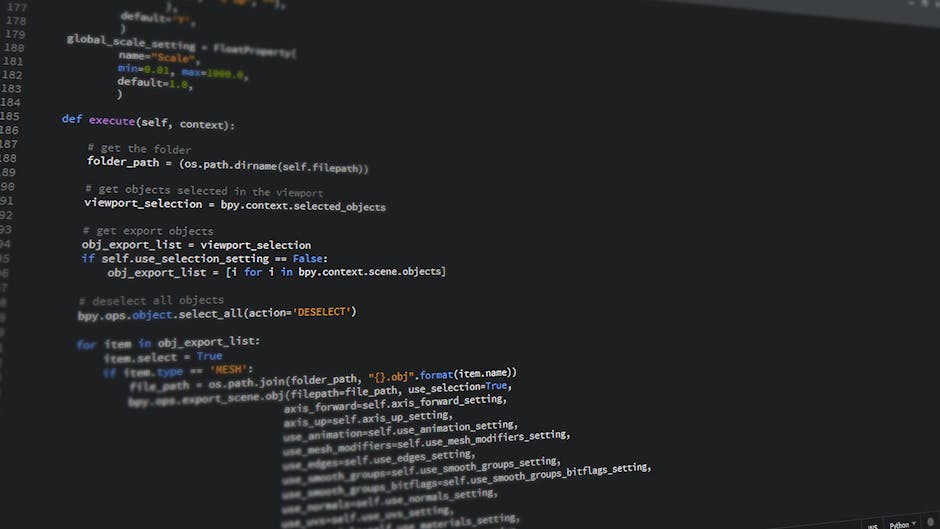
Backend Development and Markas Studio
At Markas Studio, we understand the critical role of backend development in creating high-performing, scalable applications. Our experienced team of backend developers utilizes the latest technologies and best practices to deliver robust and secure solutions tailored to your specific needs. We collaborate closely with you throughout the entire development process, ensuring transparency and alignment with your vision.
Ready to build a powerful and reliable backend for your next project? Contact Markas Studio today for a free consultation and let’s discuss how we can bring your digital vision to life. Our team of experts will work with you to determine the best technology stack, architecture, and development process that suits your specific needs and budget. Don’t hesitate to reach out – we’re eager to help you succeed!




Discussion
Join the Conversation
No comments yetNo comments yet
Start the discussion with a useful question, implementation note, or feedback that can help the next reader.