
From Idea to Impact: Building a Minimum Viable Product (MVP) for Your Indonesian Startup
Launching a startup in Indonesia, a dynamic and rapidly growing market, requires a strategic approach. One key element of success is the Minimum Viable Product (MVP). An MVP isn’t just a stripped-down version of your app; it’s a powerful tool for validating your idea, gathering user feedback, and iteratively improving your product before significant investment. This article will guide you through the process of developing an effective MVP for your Indonesian startup.
Understanding the MVP Concept
An MVP is a version of a product with just enough features to attract early-adopter customers and validate a product idea early on. It’s about building the core functionality, gathering data, and learning quickly. The goal isn’t perfection, but validation. This iterative process allows for adjustments based on real user feedback, minimizing wasted resources on features that may not resonate with your target market.
Why is an MVP Crucial for Indonesian Startups?
- Reduced Development Costs: Building a full-fledged product from the start is expensive. An MVP helps you minimize upfront investment.
- Faster Time to Market: Get your product in front of users quicker, gaining valuable early feedback.
- Risk Mitigation: Validate your core assumptions before committing significant resources.
- Targeted User Feedback: Gather data on user behavior and preferences to inform future development.
Defining Your MVP: Key Steps
Creating a successful MVP requires a structured approach. Here’s a breakdown of the essential steps:
- Identify Your Core Value Proposition: What unique problem does your product solve? What are the key features that address this problem?
- Define Your Target Audience: Understand your ideal customer’s needs, preferences, and behaviors in the Indonesian context. This is crucial for tailoring your MVP.
- Prioritize Features: Focus on the essential features that deliver core value. Avoid unnecessary bells and whistles.
- Choose Your Tech Stack: Select technologies appropriate for your MVP and long-term vision. Consider scalability and maintainability.
- Design and Develop: Build a functional MVP with a user-friendly interface.
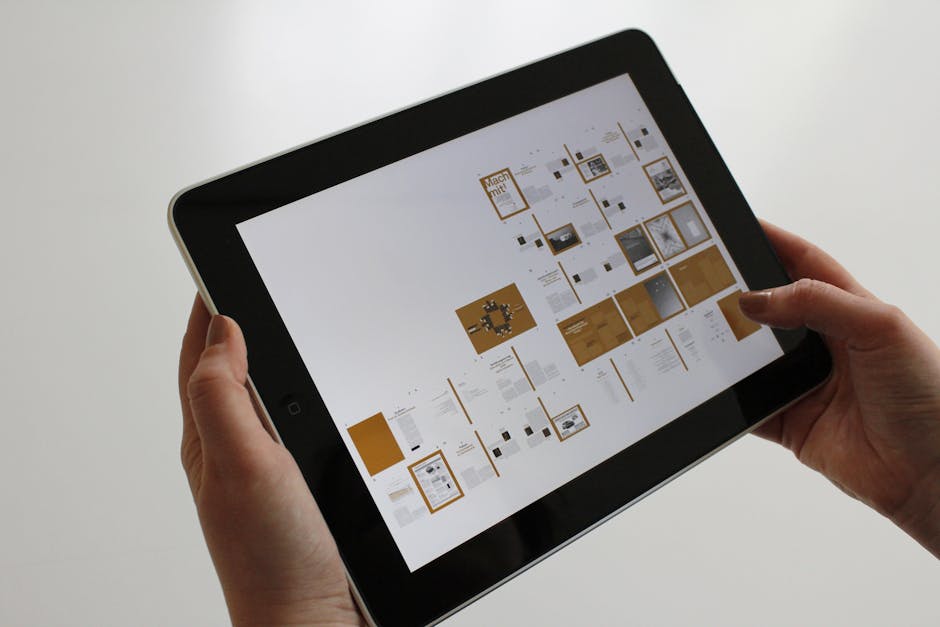
Close-up of hands using a tablet, displaying a digital interface. - Test and Iterate: Release your MVP to a small group of beta testers and gather feedback. Use this feedback to iterate and improve your product.
Marketing Your MVP in Indonesia
Launching your MVP is just the beginning. You need a marketing strategy to reach your target audience. Consider these aspects:
- Digital Marketing: Utilize social media, search engine optimization (SEO), and online advertising to reach potential users.
- Local Partnerships: Collaborate with Indonesian influencers and businesses to expand your reach.
- App Store Optimization (ASO): Optimize your app listing on Google Play and the App Store for better visibility.
Leveraging Data and Feedback
Once your MVP is live, continuously monitor user behavior and gather feedback. Analyze data to identify areas for improvement. This iterative process is key to refining your product and increasing its success.

Scaling Your MVP
If your MVP gains traction, you’ll need a plan for scaling. This involves expanding your team, improving infrastructure, and adding new features based on user demand.

Building an MVP is a crucial step for any Indonesian startup. It’s a journey of learning, adapting, and refining your product based on real-world feedback. By focusing on core features and iterative development, you can significantly increase your chances of success. Remember, an MVP is not just a product; it’s a learning tool that helps you build a product that resonates with your target market.
Ready to transform your startup idea into a successful MVP? Markas Studio, a premier web and mobile app agency in Indonesia, offers expert services in MVP development. Our team combines technical expertise with a deep understanding of the Indonesian market. Contact us today for a consultation and let’s build your future together!



Discussion
Join the Conversation
No comments yetNo comments yet
Start the discussion with a useful question, implementation note, or feedback that can help the next reader.