
Unlocking Efficiency and Brand Consistency: Your Guide to Design Systems
In today’s fast-paced digital landscape, maintaining a consistent and efficient design process is crucial for any successful business. This is where design systems come into play. A well-implemented design system acts as a single source of truth for all design and development elements, streamlining workflows and ensuring brand consistency across all platforms.
What is a Design System?
A design system is a comprehensive collection of reusable components, guidelines, and documentation that dictates how a product or brand should look and function. It’s more than just a style guide; it’s a living, breathing document that evolves with the product. Think of it as a design toolkit that empowers your team to build consistent, high-quality experiences efficiently.
Key Components of a Design System
- UI Components: Buttons, forms, inputs, navigation elements, etc., pre-designed and ready to use.
- Design Tokens: Variables that define color palettes, typography, spacing, and other visual aspects, ensuring consistency.
- Documentation: Comprehensive guidelines and specifications for each component, including usage examples and code snippets.
- Code Library: Reusable code components for developers, accelerating the development process.
- Style Guide: Brand guidelines, logo usage, and overall visual identity.
Benefits of Implementing a Design System
Adopting a design system offers numerous advantages, including:
- Increased Efficiency: Designers and developers can reuse components, reducing development time and costs.
- Enhanced Brand Consistency: A unified design language ensures a consistent brand experience across all touchpoints.
- Improved Collaboration: A centralized system facilitates seamless collaboration between designers and developers.
- Scalability: Easily adapt and scale your design system as your product grows.
- Reduced Errors: Consistent components minimize inconsistencies and errors.
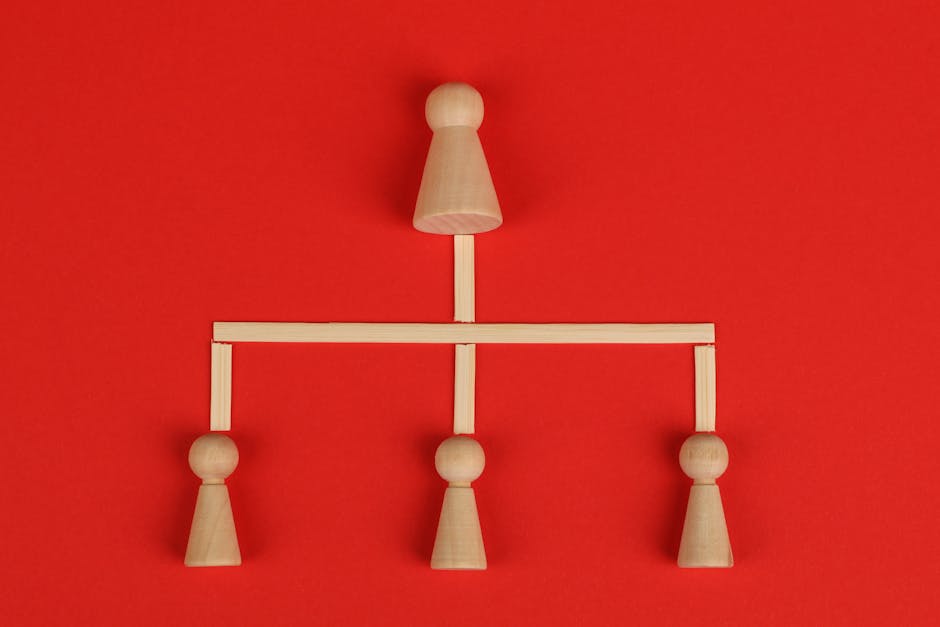
Building Your Design System: A Step-by-Step Guide
Creating a successful design system requires careful planning and execution. Here’s a breakdown of the process:
- Audit Existing Assets: Start by analyzing your current design and codebase to identify reusable elements.
- Define Design Principles: Establish clear guidelines for visual design, user experience, and brand voice.
- Develop a Component Library: Create reusable UI components based on your design principles.
- Establish a Workflow: Define processes for creating, updating, and maintaining the design system.
- Document Everything: Thorough documentation is vital for maintainability and adoption.
Maintaining Your Design System
A design system is not a static entity; it requires ongoing maintenance and updates to reflect evolving design trends and business needs. Regular reviews, feedback mechanisms, and updates are crucial for keeping the system relevant and useful.

Design Systems and the Future of UI/UX
Design systems are becoming increasingly important in the ever-evolving landscape of UI/UX. As companies strive to create seamless, scalable, and consistent digital experiences, well-structured design systems are essential for achieving these goals. They facilitate agility, reduce costs, and contribute to a more positive user experience.
Ready to Elevate Your Design Process?
At Markas Studio, we understand the transformative power of design systems. Our team of expert designers and developers can help you create a robust, scalable, and efficient design system tailored to your specific needs. We guide you through every step, from initial assessment to ongoing maintenance, ensuring your brand maintains a unified, consistent, and engaging presence. Contact us today for a consultation and let’s build a design system that drives your business forward!



Discussion
Join the Conversation
No comments yetNo comments yet
Start the discussion with a useful question, implementation note, or feedback that can help the next reader.