
Jakarta UMKM Website Launch Scenario: From Offline Enquiries to Search-Ready Pages
Jakarta UMKM website launch scenario is not only a design purchase. It is a planning decision about how the website will explain the offer, attract qualified visitors, answer buyer questions, and move people toward a clear enquiry or purchase action.
This resource is written for small business owners who want to see how a practical website project can be scoped without a fabricated case study. The practical goal is to help a buyer understand what should be included, what decisions need to be made before development starts, and how SEO plus GEO requirements should shape the final site. For this topic, the location context is Jakarta, Indonesia, so the page should use local examples and service-area language that are useful rather than decorative.
A strong build for case-style planning scenario should be easy to edit, fast enough for mobile users, structured for search engines, and clear enough that AI-assisted search systems can extract accurate answers without guessing.

Scenario setup
This is a case-style planning scenario, not a claim about a real client. It uses a realistic business situation to show how website decisions can be made without inventing outcomes or statistics.
The scenario is built around small business owners who want to see how a practical website project can be scoped without a fabricated case study. The business wants case-style planning scenario, but the success of the site depends on decisions about page structure, content readiness, local trust, enquiry flow, and ongoing maintenance.
The focus is Jakarta UMKM website launch scenario, so the examples emphasise practical trade-offs rather than dramatic before-and-after promises.
Recommended project shape
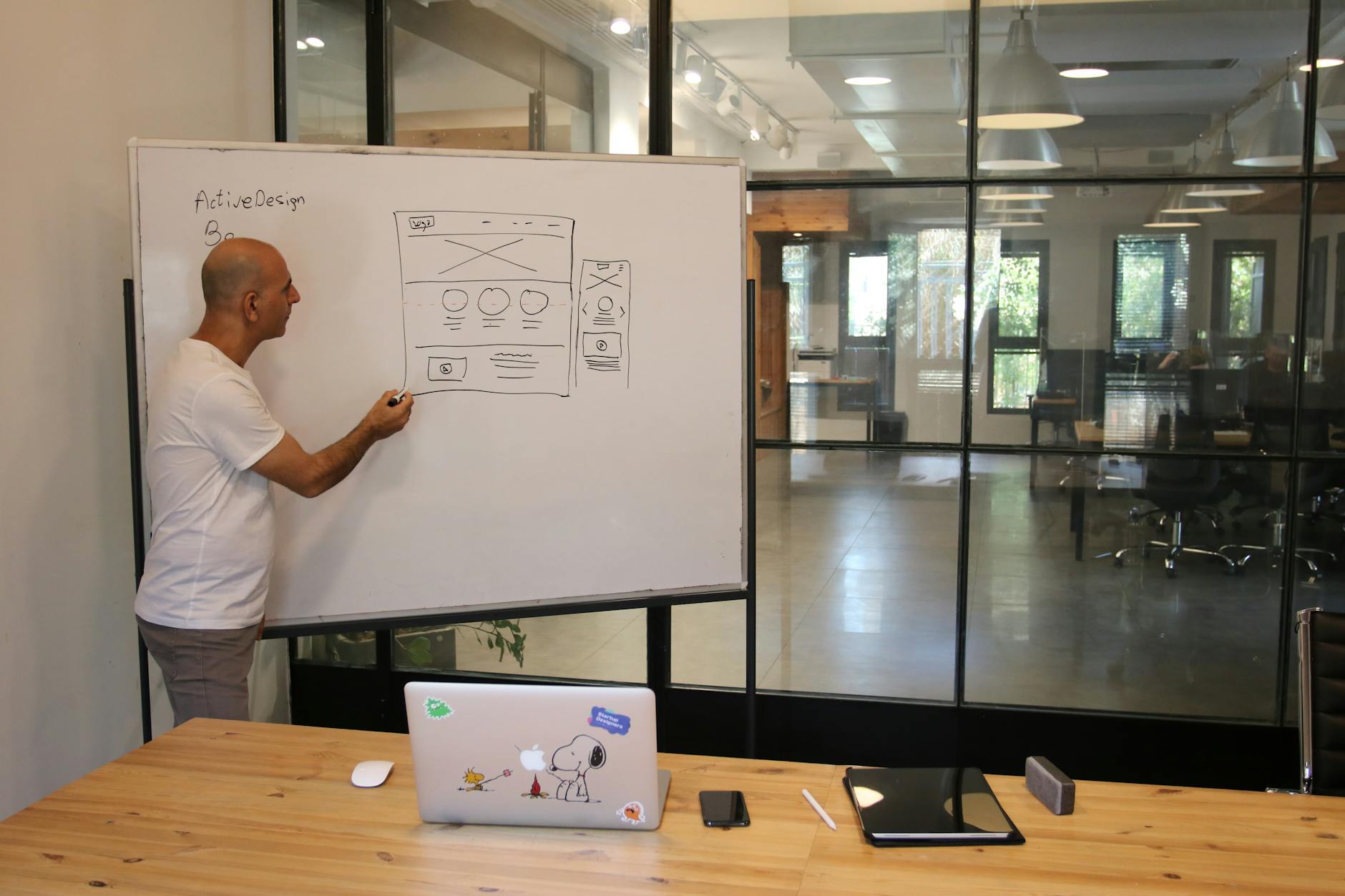
The project should start with the smallest complete website that can support the buyer journey. That usually means a focused homepage, one or more service or category pages, proof content, FAQs, contact pathways, and a plan for future content.
The team should avoid launching with too many weak pages. A smaller set of useful pages is better than a large site filled with duplicated text, empty claims, and pages that have no clear purpose.
The scenario below shows how scope can be sequenced without pretending that everything must be built in the first phase.
| Project decision | Recommended choice | Reason |
|---|---|---|
| Phase one pages | Homepage, core service or category page, FAQ, contact page | Covers the basic buyer journey without overbuilding |
| Enquiry flow | Use one primary contact action and one secondary backup | Reduces decision friction on mobile |
| SEO focus | Optimise core pages before publishing many support pages | Creates a stronger base for later growth |
| Post-launch backlog | Add comparisons, guides, location support, and proof content | Improves depth after real questions appear |
Lessons from the scenario
The main lesson is that practical website value comes from decision clarity. The site should tell the buyer what is offered, who it is for, why the business is credible, what to expect, and how to take the next step.
SEO and GEO work best when they are part of the content structure. Search engines and AI-assisted systems cannot infer strong answers from vague brochure copy.
The strongest launch is usually the one with clear priorities, tested forms, accurate content, and a known improvement backlog.
Practical planning notes for this project type
Define the first measurable action for Jakarta UMKM website launch scenario. For a service website it may be a qualified enquiry. For a store it may be a completed order or catalogue enquiry. For a campaign page it may be a booking, form submission, download, or phone call.
Agree on content ownership early. The best build can still be delayed if photos, service descriptions, product details, or approvals arrive late. A simple content tracker prevents many project delays.
Keep the first launch focused. Publish the pages needed to support the buyer journey, then improve the site using real questions, search query data, and enquiry quality rather than assumptions.
Avoid exaggerated claims. Use specific service descriptions, process details, checklists, proof assets, and clear limitations instead of unsupported rankings, fake results, or generic promotional copy.
Implementation checklist
- Confirm the main business goal for Jakarta UMKM website launch scenario: enquiries, sales, bookings, credibility, distributor support, or campaign traffic.
- List the priority audiences and the exact questions each audience asks before contacting the business.
- Prepare approved service, product, or company information before design decisions are finalised.
- Map the primary pages and decide which pages must launch now and which can wait.
- Write one clear call to action for each important page and test it on mobile.
- Prepare image guidance, alt text, and licensing notes before importing media.
- Add SEO metadata, descriptive headings, internal links, and schema markup that matches visible content.
- Create a short handover note explaining how to edit priority pages without breaking the structure.
SEO and GEO acceptance criteria
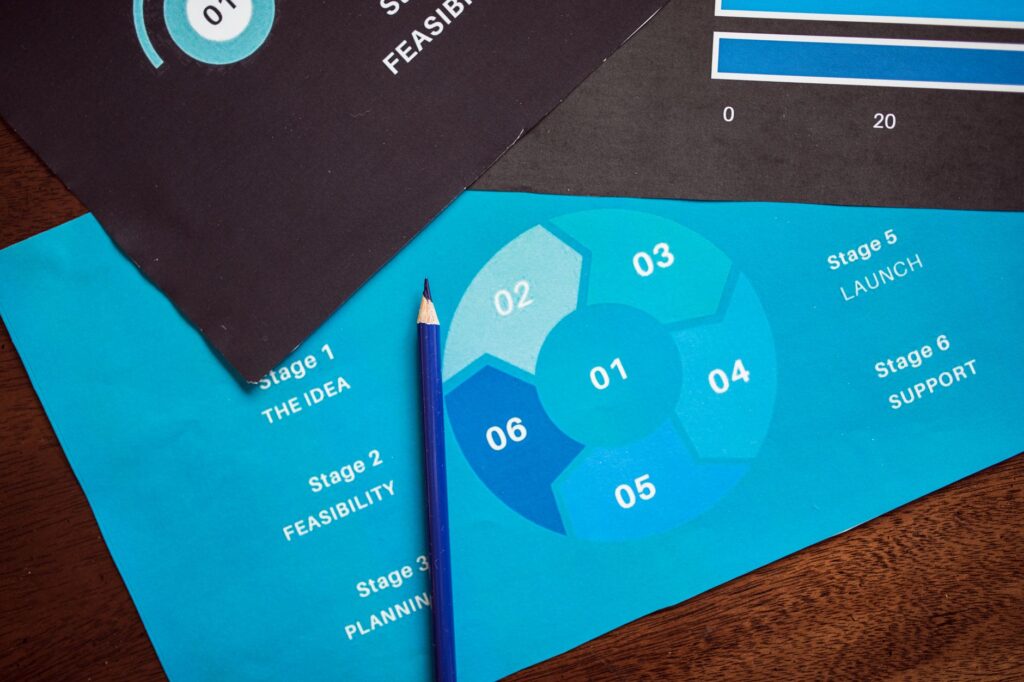
Use the following criteria to review whether the page is ready for publication. These are not decorative tasks; they protect clarity, search visibility, and post-launch operations.
| Criterion | What to verify | Why it matters |
|---|---|---|
| Search intent | The page answers one distinct buyer need | Prevents duplicate or doorway-style content |
| Metadata | The title and description are accurate and not stuffed | Improves search snippet clarity |
| Entity clarity | Important services, locations, technologies, and concepts are named in context | Helps users and search systems understand the page |
| Internal links | Related service, guide, comparison, and checklist pages are connected | Builds a coherent topical cluster |
| Schema | Structured data matches visible content | Avoids unsupported technical claims |
| Conversion | Primary action is clear and tested | Turns traffic into enquiries, bookings, or sales |
Questions to ask before approving the scope
- Does Jakarta UMKM website launch scenario need a service page, location page, landing page, store, guide, or a hybrid structure?
- Which buyer questions must be answered before someone contacts the business?
- What content is already approved, and what still needs writing or verification?
- Which technical items are included in the quote and which are excluded?
- Who will maintain the website, review enquiries, and publish improvements after launch?
Buyer intent map
Every page in a topical cluster should have one clear job. For Jakarta UMKM website launch scenario in Jakarta, Indonesia, the job is to answer a specific buyer question and then point the reader to a useful next action. When a site publishes many pages with the same intent, search quality drops and the reader becomes unsure which page matters.
| Intent stage | Reader question | Content response | Preferred next action |
|---|---|---|---|
| Problem aware | Do I actually need Jakarta UMKM website launch scenario? | Explain the business problem, who it affects, and what a website can realistically solve. | Read the decision framework or service-fit section. |
| Solution aware | Which website type or platform fits this situation? | Compare options, trade-offs, operational requirements, and when not to choose each option. | Review a comparison or implementation guide. |
| Provider aware | What should a professional provider include? | List deliverables, QA checks, SEO/GEO scope, schema expectations, and handover tasks. | Request a scoped proposal or prepare a brief. |
| Ready to act | What do I need to prepare before launch? | Provide asset lists, approval checkpoints, content requirements, and launch acceptance criteria. | Start the project checklist or confirm the phase-one scope. |
Risk controls and scope boundaries
The safest way to manage Jakarta UMKM website launch scenario is to state scope boundaries early. A website project becomes difficult when design, content, SEO, development, migration, hosting, analytics, and maintenance are treated as one vague task.
The provider and the business owner should agree which items are included at launch, which are advisory only, and which belong to a later improvement phase. This avoids the common situation where a site is technically finished but still not operationally ready.
Risk control is not negative thinking. It is how a business protects time, budget, search visibility, and internal confidence before launch.
- Do not publish location pages unless each page has a distinct purpose, useful local context, and a different buyer angle.
- Do not add schema types for ratings, pricing, addresses, reviews, or awards unless the same facts are visible and verifiable on the page.
- Do not rely on stock images that have unclear commercial-use rights, watermarks, logos, or recognisable people without appropriate consent.
- Do not treat SEO as only metadata; review crawlability, headings, internal links, content depth, media handling, and post-launch measurement.
- Do not build a store until product data, payment rules, delivery expectations, support policies, and order management responsibilities are clear.
Content assets to prepare
Content readiness has a direct effect on timeline and quality. For Jakarta UMKM website launch scenario, the project will move faster when the business prepares accurate business information before layout work begins. A designer can improve presentation, but they cannot responsibly invent service details, delivery conditions, operational limits, or proof assets.
| Asset type | Examples | Review standard |
|---|---|---|
| Business and service details | Company description, service list, industries served, process steps, coverage areas | Accurate, approved by the business owner, and consistent with sales conversations |
| Proof and trust assets | Project photos, team credentials, certifications where applicable, media mentions, policy pages | Verifiable, not exaggerated, and used only where relevant |
| Conversion details | Primary CTA, contact forms, WhatsApp number, booking process, quotation questions | Tested on mobile and assigned to a responsible person |
| SEO and GEO inputs | Focus keyphrases, FAQs, entity terms, target locations, internal link targets | Written around real buyer questions and distinct page intents |
| Media requirements | Featured image direction, inline image concepts, alt text, licensing notes | Rights-safe, descriptive, and not dependent on logos or copyrighted UI |
Handover and ownership plan
A useful handover for Jakarta UMKM website launch scenario should make the site manageable for the business after launch. The owner should know how to edit core pages, replace images, publish a new FAQ, review form submissions, and ask for technical support without risking the page structure.
Handover notes should be short and operational. A long technical manual is less useful than a clear list of recurring tasks, login ownership, backup responsibilities, update frequency, and escalation paths.
For WordPress sites, the handover should explain which parts of the page are safe to edit, which plugin settings should not be changed casually, and how to compress or replace images before upload.
For ecommerce sites, the handover should also cover product updates, stock or availability wording, order notifications, payment testing, delivery notes, and the process for removing discontinued products without damaging internal links.
- Confirm who owns domain, hosting, CMS administrator access, analytics, Search Console, and email routing.
- Document how enquiries are received, who responds, and what happens when a form or checkout test fails.
- Create a simple update calendar for content refreshes, plugin checks, backup reviews, and speed checks.
- Keep an improvement backlog for future service pages, FAQs, comparison posts, store categories, and location content.
- Record the page-level SEO/GEO purpose so future edits do not turn useful pages into duplicate content.
Internal linking role in the topical cluster
Jakarta UMKM website launch scenario should not stand alone. It should connect to related service pages, location pages, comparison resources, implementation guides, and checklists. Internal links help users move from awareness to action, and they help search systems understand how the site covers the topic.
A strong internal link is contextual. It does not use a random keyword stuffed into a paragraph. It explains why the next page is useful. For example, a location service page can link to a QA checklist before launch, while an ecommerce guide can link to a WooCommerce versus Shopify comparison before platform selection.
The importer package includes internal link suggestions with target slugs that match other generated items. During editorial review, the site owner can accept, adjust, or expand those links based on the final site menu and commercial priorities.
Post-launch improvement cycle
After Jakarta UMKM website launch scenario is published, improvement should be based on real signals. Review search impressions, enquiry quality, form completion issues, page speed, common sales questions, and content gaps. The first launch should be treated as a stable base, not the final version of the site forever.
| Cycle | Review activity | Possible improvement |
|---|---|---|
| First 2 weeks | Test forms, links, mobile layout, basic indexing, and analytics events | Fix technical or conversion issues quickly |
| First 30-60 days | Review Search Console queries, enquiry questions, and sales objections | Add FAQs, improve headings, refine metadata, and strengthen internal links |
| Quarterly | Assess service expansion, new locations, new products, and underperforming pages | Publish support content or consolidate weak duplicate pages |
| Ongoing | Review maintenance, backups, image quality, plugin health, and content accuracy | Keep the site safe, accurate, and aligned with the business offer |
Frequently asked questions
What should be included in Jakarta UMKM website launch scenario?
Jakarta UMKM website launch scenario should include clear page architecture, useful copy, mobile-friendly implementation, SEO metadata, internal links, schema markup where relevant, image guidance, tested conversion actions, and a handover plan.
How does SEO support Jakarta UMKM website launch scenario?
SEO supports the project by making important pages crawlable, focused, internally linked, fast enough for mobile users, and written around real buyer intent rather than repeated keywords.
How does GEO support Jakarta UMKM website launch scenario?
GEO supports the project by adding concise answer sections, clear entities, practical FAQs, comparison language, and structured context that can help AI-assisted search systems understand the page accurately.
When should a business not start Jakarta UMKM website launch scenario yet?
A business should pause before development if the offer is unclear, key decision makers disagree on scope, required content is missing, or no one is assigned to maintain the website after launch.
Should the page use local content for Jakarta, Indonesia?
Yes, but local content should be useful. It should explain service coverage, buyer expectations, examples, contact preferences, and local search intent instead of simply repeating Jakarta, Indonesia in headings.
Next step
The next step is to turn Jakarta UMKM website launch scenario into a phase-one scope: priority pages, content requirements, SEO/GEO fields, image needs, conversion actions, QA checks, and handover responsibilities. That scope gives a developer, agency, or internal team a practical path to launch without relying on vague expectations.




Discussion
Join the Conversation
No comments yetNo comments yet
Start the discussion with a useful question, implementation note, or feedback that can help the next reader.