
Shopee to WooCommerce Workflow for Malaysia Sellers
A structured approach to shopee to woocommerce workflow for malaysia sellers for WooCommerce sellers.
Explore the Lestari Importer workflow to see how this fits your catalog operations.

Understanding Shopee to WooCommerce Workflow for Malaysia Sellers
Malaysian Shopee sellers can use Lestari Importer to capture product data from their Shopee MY listings and import it into a WooCommerce store with staging review, helping them manage a multi-channel presence efficiently.
This workflow is designed for WooCommerce store owners who need a reliable, structured approach to marketplace product management. The Lestari Importer provides the foundation for this process, and the documentation covers setup in detail.
How This Workflow Supports Your Operations
Managing product data across marketplaces and WooCommerce requires discipline. Without a structured workflow, teams often resort to manual copy-paste processes that introduce errors, inconsistencies, and wasted time.
Key Capabilities
- Structured product data capture from marketplace listings.
- Staging and review queue for quality control before publishing.
- Image sideloading and media management.
- Category mapping and taxonomy alignment.
- Safe publishing with rollback capability.
Operational Benefits
A well-implemented import workflow reduces catalog errors, improves listing consistency, saves team time, and protects your store’s reputation. Whether you are managing a small catalog or scaling to hundreds of products, the principles remain the same: capture, review, approve, publish.
Practical Example
Consider a seller with 150 active marketplace listings who wants to launch a WooCommerce store. Rather than manually recreating each product, they use Lestari to capture listings in batches, review them in the staging queue, apply necessary adjustments, and publish approved items. The process takes days instead of weeks, with better quality control throughout.
Executive Framework: How to Use This Solution Page in a Real Store Operation
This resource should be read as a practical decision guide, not just a general explanation of malaysia shopee woocommerce import. The goal is to help store owners, ecommerce operators, marketplace sellers, WooCommerce consultants, and implementation teams understand where Shopee to WooCommerce Workflow for Malaysia Sellers fits inside a real WooCommerce publishing workflow, what needs to be verified before action is taken, and how the Lestari ecosystem can reduce unnecessary manual work without removing human review.
In a production environment, the strongest result usually comes from combining automation, editorial review, catalog governance, and clear ownership. Automation helps the team move faster, but governance keeps the public store clean. That distinction is important because marketplace data often arrives with formatting issues, inconsistent product naming, incomplete specifications, duplicated phrases, or images that need careful selection before the product is ready for customers and public readers.
This page answers a practical operational question: what should a team actually do when they are planning, reviewing, or scaling a marketplace-to-WooCommerce workflow? The recommended path is to begin with a controlled test, validate the output, document the internal rules, and then scale the workflow gradually. Teams can also review the related Lestari resource at Shopee to WooCommerce Workflow for Malaysia Sellers for product-level context and next steps.
| Decision Area | What to Confirm | Why It Matters | Recommended Action |
|---|---|---|---|
| Commercial readiness | The team understands the reader need: commercial investigation. | Content performs better when the page solves a specific user problem instead of repeating generic product claims. | Match headings, examples, CTA, and internal links to the user’s real decision stage. |
| Catalog Accuracy | Titles, descriptions, product attributes, categories, and image choices are reviewed before publishing. | Accurate catalog data improves customer confidence, reduces returns, and protects reader usefulness. | Create a review checklist and require approval before products go live. |
| Workflow Ownership | One owner is accountable for capture, review, publish, and post-publish correction. | Clear ownership prevents duplicate work and avoids confusion when multiple team members touch the same product set. | Assign responsibility in the WordPress admin workflow and document exceptions. |
| content quality Bridge Value | The page links naturally to the correct public resource and supports the broader Lestari topic cluster. | Contextual links help users move from education to action while strengthening internal discovery paths. | Use descriptive anchor text and link only where the next step is genuinely useful. |
Implementation Playbook for Shopee to WooCommerce Workflow for Malaysia Sellers
A strong implementation starts before any product is imported or any public page is published. The team should first define the expected source, target store structure, review owner, naming format, category logic, image policy, price handling, and publication rule. This is especially important when the workflow involves Shopee, WooCommerce, browser-based capture, or any multi-channel catalog operation where small data issues can become visible customer-facing problems.
The first step is to choose a small but representative product group. That group should include simple products, variation products, image-heavy products, and products with longer descriptions. Testing a mixed group helps the team see whether the process handles common catalog situations without relying on assumptions. If the test group is too clean, the workflow may look successful while hiding edge cases that will appear later during scale.
Next, the operator should use Lestari to move through capture and staging while keeping a clear record of what was adjusted manually. The goal is not to eliminate review; the goal is to make review faster, clearer, and easier to repeat. This is where Shopee to WooCommerce Workflow for Malaysia Sellers becomes useful as a bridge between the operational task and the product capability. It gives the user a clear place to continue learning about the feature or workflow after understanding the business problem.
- Prepare the source list. Select products that represent normal daily operations, including products with variants, multiple images, and rich descriptions.
- Capture product data. Use the Lestari workflow or extension path where appropriate, then verify that the captured data is complete enough for review.
- Stage before publishing. Treat staging as the quality control layer. Do not publish directly unless the business has already defined strict approval rules.
- Review for content quality and buyer clarity. Rewrite weak titles, remove repeated text, improve product descriptions, and check whether the content answers buyer questions.
- Publish in controlled batches. Start with a small release, confirm that the public pages look correct, and only then move to larger catalog batches.
| Phase | Operator Task | Quality Standard | Go / No-Go Signal |
|---|---|---|---|
| Preparation | Define categories, naming conventions, attribute rules, and publication ownership. | Every product has a clear destination and review owner. | Go only when category and pricing rules are documented. |
| Capture | Collect marketplace product information through the controlled Lestari workflow. | Images, variations, title, and description are present for review. | No-go if required product data is missing or inconsistent. |
| Review | Edit wording, confirm pricing, choose images, and improve buyer-facing details. | The final product page is useful, readable, and commercially trustworthy. | Go when the reviewer can explain why the listing is ready. |
| Publish | Release approved products or content to the live WooCommerce environment. | Published output is clean, ready to be discovered-ready, and aligned with the store structure. | No-go if duplicate slugs, broken images, or weak descriptions remain. |
| Measure | Review search clarity, click behavior, product engagement, and operational feedback. | The workflow improves both speed and quality without increasing errors. | Scale only after early results are stable. |
Commercial Readiness Criteria
For a landing page, the content must do more than describe a feature. It must help a serious buyer decide whether the workflow is relevant to their store, whether the operational risk is manageable, and whether the next step is worth taking. The page should feel like a bridge between a search question and a product decision. That is why the structure combines education, workflow clarity, risk control, and a careful call to action.
The strongest commercial pages answer three questions clearly: what problem is being solved, why the current manual process is inefficient, and how the Lestari workflow gives the user more control. When those questions are answered with practical detail, the page can support both organic discovery and assisted conversion without feeling aggressive or over-promotional.
| Readiness Signal | Strong Page Behavior | Weak Page Behavior to Avoid | How This Page Supports It |
|---|---|---|---|
| Problem Clarity | Explains the real operational pain behind malaysia shopee woocommerce import. | Uses broad claims without showing the workflow problem. | Frames the issue around review, publishing, product quality, and WooCommerce readiness. |
| Trust Building | Shows that automation still includes human control. | Promises one-click results without discussing review or governance. | Highlights staging, controlled publishing, and responsible review steps. |
| Decision Support | Guides the reader toward the right resource or next step. | Forces the same CTA regardless of intent. | Uses contextual links such as Extension Docs to support different user needs. |
| Search Quality | Provides original, helpful detail that can stand alone. | Repeats thin product wording across many pages. | Includes playbooks, checklists, tables, risks, and implementation guidance. |
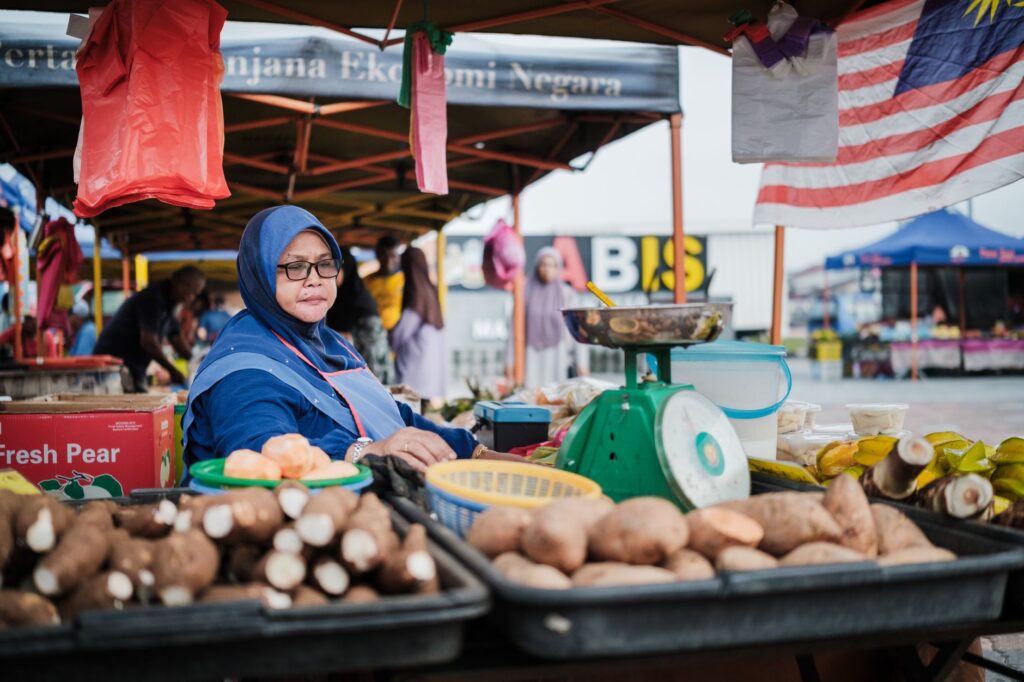
Before this page is treated as final, the site owner should review the CTA placement, confirm that the linked public resource is still accurate, and check that the featured image supports the professional tone of the content. A good image should make the page feel editorial and credible, not generic or decorative.
Risk, Governance, and Quality Control
Every import or publishing workflow should be designed with failure modes in mind. The most common risks are not dramatic technical failures; they are ordinary content problems that compound across many products. Missing images, confusing titles, incomplete variation data, weak descriptions, inaccurate pricing, duplicated content, and unclear ownership can quietly reduce both customer confidence and operational efficiency.
A responsible workflow therefore needs clear gates. Each gate should answer one practical question: is this item ready for the next stage? If the answer is unclear, the item should stay in staging or draft status until the issue is resolved. This protects the store from rushed publishing and gives the team a repeatable method for handling exceptions.
| Risk | Early Warning Signal | Business Impact | Control |
|---|---|---|---|
| Incomplete Product Data | Missing dimensions, variants, images, or product-specific details. | Customers may hesitate, ask more support questions, or abandon the product page. | Require a minimum data checklist before publishing. |
| Low-Quality Descriptions | Descriptions are copied, repeated, overly short, or not buyer-oriented. | Search clarity and conversion quality may suffer. | Rewrite descriptions into clear, helpful, product-specific language. |
| Image Mismatch | The featured image does not match the product, workflow, or editorial topic. | The page feels less credible and may reduce trust. | Use relevant landscape images, meaningful alt text, and a retry process when sourcing fails. |
| Duplicate Publishing | The same product or content idea appears under multiple slugs. | Operational confusion and content overlap can increase. | Use content IDs, managed metadata, and idempotent generation rules. |
| Unclear CTA | The reader does not know whether to read docs, install, compare, or contact support. | Good traffic may not move to the next useful action. | Match CTA language to the user’s intent and link to the correct public target. |
The governance rule is simple: publish only when the item is useful, accurate, visually credible, and connected to the right next step. That standard keeps the content network from becoming a collection of thin pages and instead turns it into a practical discovery layer for the Lestari ecosystem.
Measurement Framework: How to Judge Whether This Content Is Working
After publication, the page should be reviewed from a reader and operational perspective. A page can receive visits but still fail if readers do not understand the next step. Likewise, a workflow can reduce manual work but still require improvement if it creates too many review exceptions. The best review approach combines reader engagement, internal link movement, and operator feedback.
For this workflow, the most useful signals are usually practical rather than vanity-based. Look at whether the page is being discovered for relevant questions, whether readers click the contextual Lestari links, whether the CTA receives attention, and whether support questions become clearer after the page is published. When those signals improve, the content is not only performing; it is helping users make better decisions.
| Metric Area | What to Monitor | Healthy Signal | Action if Weak |
|---|---|---|---|
| Organic Discovery | Impressions, questions, and page public discovery status. | The page appears for relevant long-tail questions about malaysia shopee woocommerce import. | Improve headings, add clearer examples, and strengthen internal links. |
| Reader Engagement | Time on page, scroll depth, and CTA interaction. | Readers reach the tables, FAQ, and recommended next step. | Improve introduction clarity and move the most important answer higher. |
| Internal Link Flow | Clicks to Lestari public resources and related insights. | Users continue from education to documentation, overview, extension, or Pro resources. | Revise anchor text so each link explains the benefit of clicking. |
| Operational Feedback | Questions from store owners, VAs, implementers, or support users. | Questions become more specific because users understand the workflow better. | Add examples, screenshots, or a short troubleshooting section. |
| Image Quality | Featured image relevance, crop quality, alt text, and page presentation. | The image supports the topic and looks professional on archive and single pages. | Retry image sourcing or manually replace weak images from the media library. |
Pre-Publication Checklist
Before this content is allowed to go live, the site owner should verify that it meets a practical publication standard. This checklist is intentionally stricter than a normal draft review because the page is part of a larger public resource network. Each item contributes to the overall quality of the content cluster, the credibility of the public Lestari resources, and the user’s ability to move from initial discovery to a useful action.
| Checklist Item | Pass Standard | Owner | Review Notes |
|---|---|---|---|
| Reader Need | The introduction clearly answers the reason a user would search for malaysia shopee woocommerce import. | content reviewer | Confirm the first two paragraphs are specific, not generic. |
| Content Depth | The page includes explanation, workflow, tables, risks, measurement, FAQ, and CTA. | Content owner | Ensure the article can stand alone without requiring a sales conversation. |
| Public URL Link | The correct contextual target is present: Shopee to WooCommerce Workflow for Malaysia Sellers. | Site owner | Confirm the link is relevant and not forced. |
| Companion References | Companion references appear only where they help the reader continue with setup, validation, or support. | Implementation reviewer | Review companion links such as Extension Docs. |
| Featured Image | The image is landscape, relevant, clean, and supported by descriptive alt text. | Publisher | Current image direction: Malaysian ecommerce seller managing marketplace and WooCommerce operations. |
| page structure and Metadata | page title, page summary, official page path URL, and page structure are present. | Technical content quality reviewer | Validate with preferred content quality tooling after publishing. |
| Human Tone | The writing is professional, useful, polite, and not over-promotional. | Final editor | Remove claims that feel exaggerated or unsupported. |
When all checklist items pass, the page is ready to support public discovery. If any item feels weak, it is better to revise before publishing than to rely on later cleanup. A high-quality content network compounds value over time, but only when each individual asset is worthy of being ready to be discovered, read, and linked.

Recommended Next Step
If this page describes the way your team thinks about malaysia shopee woocommerce import, the next step should be deliberately small. Open Lestari Importer workflow, review the workflow in context, and choose a limited sample of products that represents your normal catalog complexity.
The goal is not to rush into a full rollout. The goal is to confirm that capture, staging, review, image handling, pricing, category mapping, and publishing can be repeated without lowering quality. Once that small workflow feels stable, scale the process with clear ownership and a written review standard. For setup or troubleshooting detail, keep browser extension setup guide and implementation documentation close as the supporting route.
Editorial Field Notes: What Makes This Page Worth Publishing
A buyer arriving on this page is usually not looking for a slogan. The person is trying to understand whether malaysia shopee woocommerce import can solve a real working problem without creating new catalog risk. In practice, the pressure comes from cross-border catalog consistency, local marketplace habits, language nuance, and different expectations around product detail. A good page therefore has to sound calm, specific, and useful. It should help the reader feel that the workflow has been considered from the operator’s desk, not only from a feature checklist.
For a regional ecommerce operator, Shopee to WooCommerce Workflow for Malaysia Sellers should answer the quiet question behind the search: “Can I trust this process when real products, real images, real prices, and real customer expectations are involved?” The answer is strongest when the page shows a page that speaks to regional selling conditions instead of treating every store as a generic global shop. That is also where the transition to Lestari Importer workflow feels natural; the reader has already understood the problem and is ready to inspect the actual workflow.
What an experienced operator will notice first: The important detail is not speed by itself. The important detail is whether the team can repeat the same clean process next week, next month, and during a busy campaign without lowering catalog standards. For that reason, the page should feel advisory first and promotional second. When deeper setup detail is needed, the most useful companion resources are browser extension setup guide and implementation documentation.
| Reader Concern | Human Answer the Page Should Give | How the Link Should Feel |
|---|---|---|
| “Will this save time?” | Yes, but only when capture, review, and publish steps are clearly separated. | The link should invite the reader to inspect the workflow, not pressure them to buy immediately. |
| “Will my catalog stay clean?” | The page should show how staging, checks, and ownership prevent rushed publishing. | The CTA should point to the relevant Lestari resource after the quality logic is clear. |
| “Is this relevant to my store size?” | Small stores need fewer manual mistakes; growing stores need a repeatable operating model. | The public URL should feel like the next practical reference for both scenarios. |
| “What if something fails?” | The reader should see review controls, retry thinking, documentation, and support pathways. | Supporting links should appear as help, not as decorative content quality links. |
| “Can my team use this tomorrow?” | The article should give enough structure for a small pilot before full rollout. | The next step should be framed as a measured test, not a leap of faith. |
A Practical Scenario Before the Reader Clicks Through
Imagine a seller preparing a campaign while managing marketplace listings and a WooCommerce storefront for different buyer expectations. The team does not need another generic import promise; it needs a way to keep regional product detail, image choice, wording, and review ownership under control.
This is why the page should not sound like a brochure. It should sound like a careful handoff from one experienced operator to another. The reader should understand what to check, what to avoid, and why malaysia shopee woocommerce import matters before they ever click a product link. At the point where the reader wants to move from planning to action, Lestari Importer workflow becomes the most relevant next reference. For implementation detail, browser extension setup guide and implementation documentation can be used as a supporting path without distracting from the main decision.
| Moment in the Workflow | What the Reader Is Thinking | What the Content Should Do | Best Next Step |
|---|---|---|---|
| Before testing | “I need to know whether this matches my real catalog process.” | Explain the operational fit in plain language. | Start with a small product set and review the workflow guidance. |
| During review | “I need confidence before publishing anything public.” | Show checks for title, description, price, image, category, and variants. | Use staging or draft review before publishing. |
| Before scaling | “I need this to work repeatedly, not only once.” | Introduce ownership, retry logic, documentation, and consistent rules. | Document the workflow and assign review roles. |
| After publishing | “I need to know whether the result is worth keeping.” | Connect the workflow to customer trust, search quality, and operational cleanup. | Measure published output and refine the import standard. |

Quality Governance Before Going Live
Before publishing content or generated product data, the team should verify that the output is accurate, useful, and aligned with the store’s commercial policy. A production-ready workflow should never rely only on automation. Automation should reduce repetitive work, while the review layer protects brand quality, pricing discipline, and customer confidence.
Use the following governance checks before scaling this workflow:
- Accuracy: confirm that product titles, descriptions, variations, and images match the intended source information.
- Commercial readiness: check price, margin, currency assumptions, and category assignment before public publishing.
- Search readiness: ensure headings, descriptions, and internal links are useful to both users and crawlers.
- Operational continuity: document who reviews imports, who approves changes, and how failed items are retried.
- Support clarity: keep links to documentation and support visible so users can resolve setup or import issues without confusion.
When this governance layer is consistently applied, Lestari becomes more than an importer. It becomes part of a disciplined product information workflow for WooCommerce operators.
Frequently Asked Questions
What is shopee to woocommerce workflow for malaysia sellers about?
This page explains how shopee to woocommerce workflow for malaysia sellers works within the Lestari Importer ecosystem for WooCommerce store owners.
Do I need Lestari Pro for this workflow?
The core workflow is available in the free Lestari Importer plugin. Lestari Pro adds advanced features like price markup, category mapping, and variant handling for larger or more complex operations.
Is my product data safe during import?
Yes. Lestari processes all data locally within your WordPress installation. Products are staged as drafts and only published after your explicit approval.
Where can I get help with setup?
The Lestari documentation covers setup and configuration in detail. If you need further assistance, the support page provides escalation options.